Silver brazing alloys
Silver brazing alloys
Reliability is forged at the boundary where two materials meet.
Engineering that boundary is our work.
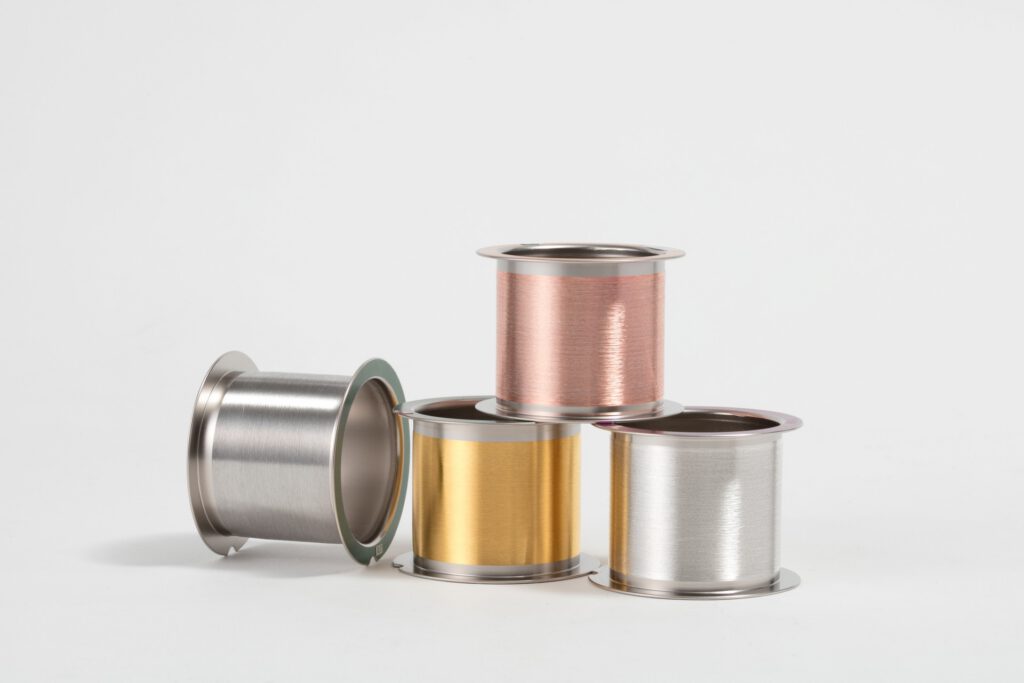
Silver brazing alloys join two materials metallurgically, creating an electrical and mechanical connection and a hermetic seal. Joining temperature, strength, and thermal expansion matching have to be engineered precisely for the joint to hold its long-term reliability under high heat, vibration, and thermal cycling. Choose the wrong material and the joint is the first thing to fail.
Filler metal selection guide
Which brazing filler metal do you need?
Working temperature, base metal combination, flux use, and corrosion resistance requirements decide the right filler metal. Higher silver content improves joint strength and ductility, but it also raises cost. The key is selecting the composition that fits the application.
| Filler metal type | Main constituents | Melting point | Suitable base metals | Primary applications |
|---|---|---|---|---|
| Cadmium-bearing brazing alloys | Ag-Cu-Zn-Cd | 605 ~ 700℃ | Copper alloys | General purpose, ferrous and non-ferrous / Heat exchangers |
| Ag-Cu-Zn-Cd-Ni | 640 ~ 850℃ | Copper alloys, stainless steel, nickel alloys | Heat exchangers, copper tube | |
| Ag-Cu-Zn-Cd-Mn | 620 ~ 750℃ | Copper alloys, tungsten carbide, stainless steel | Electronic components, vacuum components | |
| Ag-Cu-Zn-Cd-Sn | 600 ~ 780℃ | Stainless steel, specialty silver alloys | Medical devices, precision components | |
| Ag-Cu-Zn-Cd-In | 675 ~ 760℃ | Titanium alloys, specialty silver alloys | Specialty vacuum, precision components | |
| Cadmium-free brazing alloys | Ag-Cu-Zn | 620 ~ 780℃ | Specialty silver alloys | Non-ferrous electronic components, vacuum brazing |
| Ag-Cu-Zn-Sn | 620 ~ 710℃ | Stainless steel, non-ferrous alloys | Non-ferrous components | |
| Ag-Cu-Zn-In | 650 ~ 710℃ | Stainless steel, non-ferrous alloys | Electronic equipment components | |
| Phosphor-copper brazing alloys | P-Ag-Cu | 650 ~ 940℃ | Copper alloys | Heat exchangers |
Silver content and joint performance
| Silver content range | Performance | Applications |
|---|---|---|
| High silver content (72~85%) | Highest strength, ductility, and hermeticity | Precision electronic components, medical devices, vacuum components |
| Medium silver content (40~60%) | Best balance of strength and cost | Industrial piping, automotive parts, refrigeration equipment |
| Low silver content (0~15%) | Cost efficiency, standard copper tube | General piping, air conditioner copper tube joints |
Product lineup
· Domestic: +82-2-727-2688
· Overseas: +82-32-570-2688
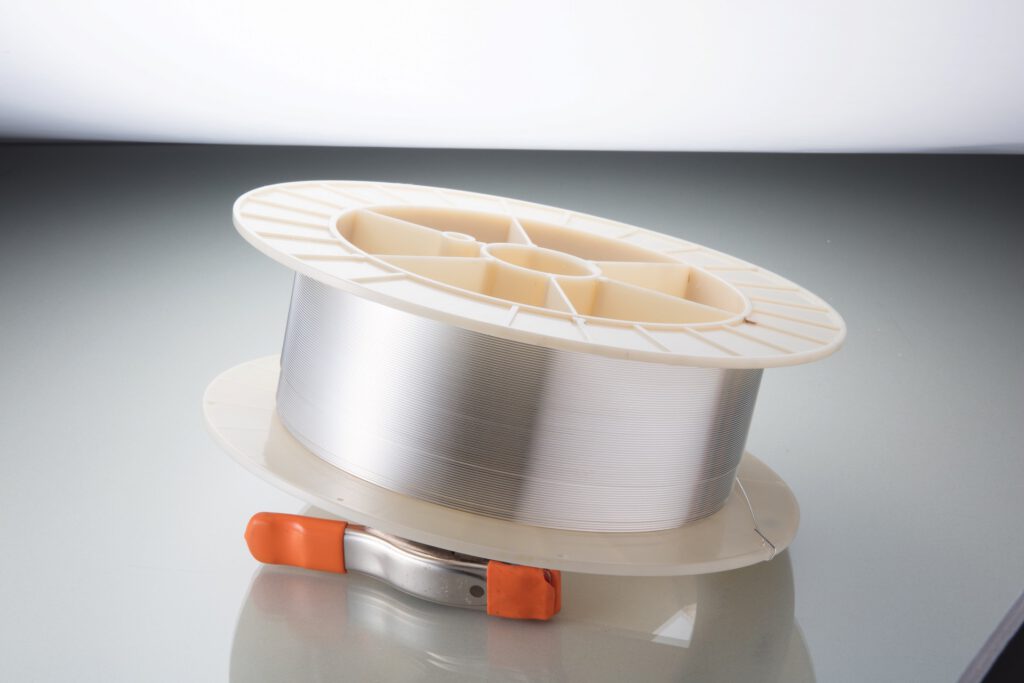
Wire
Coil-form brazing alloy suited to automatic feeding equipment and continuous joining processes. We supply the diameter and spool specification to match your equipment, and its consistent melting behavior maintains uniform joint quality even on high-volume production lines.
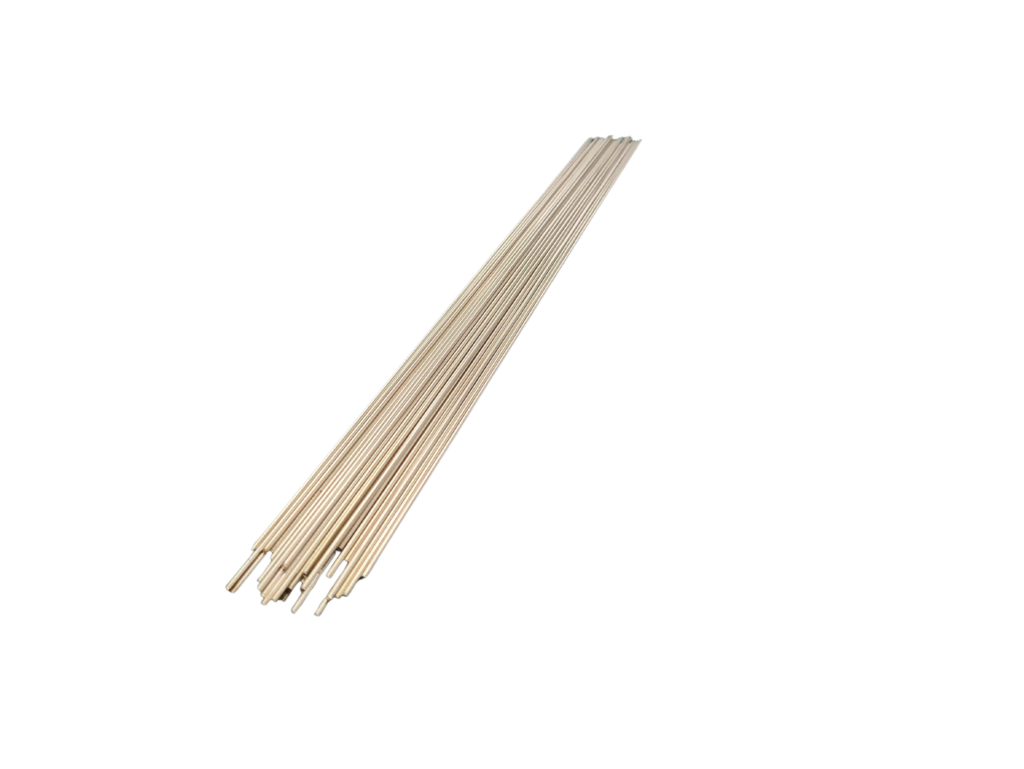
Rod
Straight-form brazing alloy used for manual joining such as torch brazing. We produce it in lengths and stiffness that are easy to handle, making it suitable for complex geometries and repair work where fine control is required.
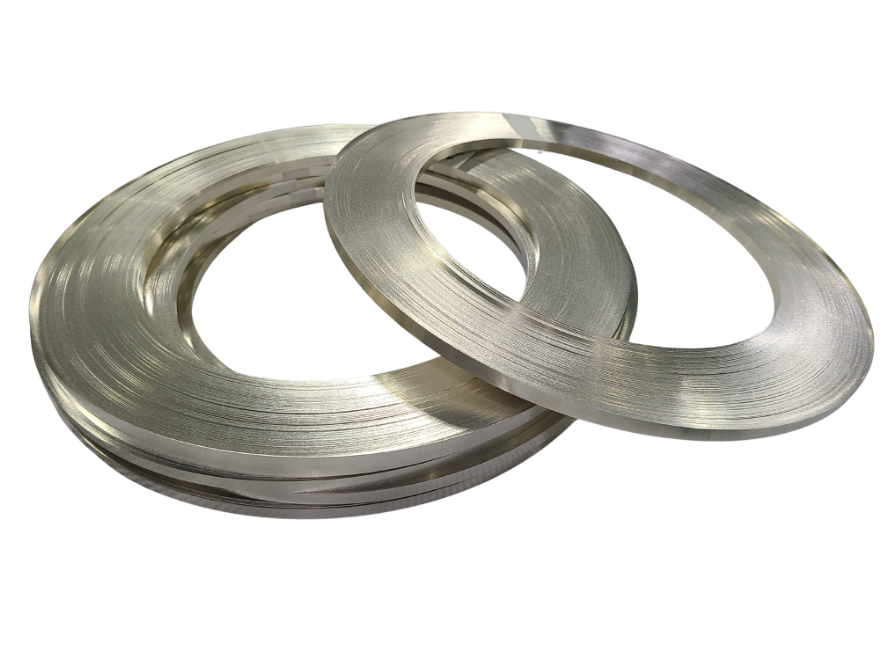
Strip
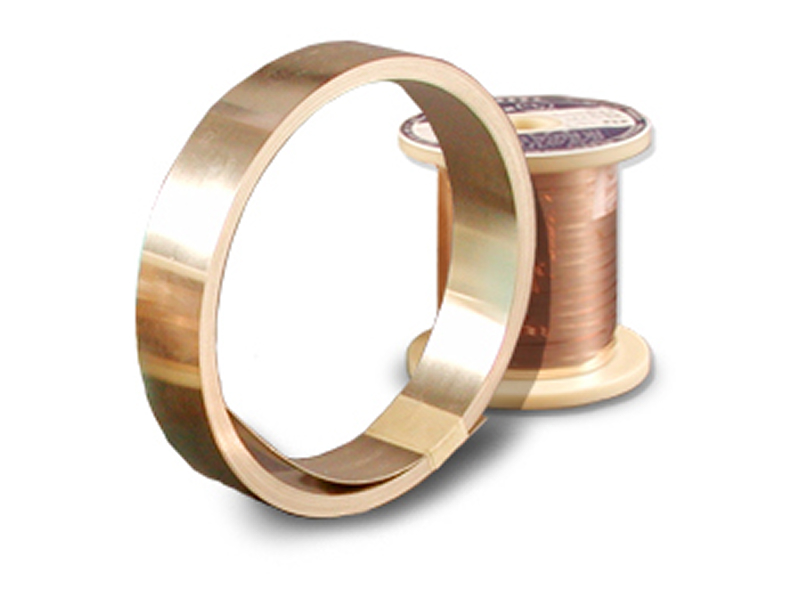
Thin sheet or ribbon-form brazing alloy placed between the mating surfaces in advance. Because exactly the amount needed can be positioned, it reduces precious metal loss, and it is used for components that require uniform joining across a wide area.
Why LT Metal
Three engineering capabilities
Global customers choose LT Metal because our engineering capability in composition, structure, and reliability delivers the performance and quality they specify. That is our core strength.

We engineer composition.
We engineer the ratio of silver, copper, zinc, and tin in the alloy, along with the solidus and liquidus melting range, to match the base metal and the joining conditions. From the base metal’s thermal expansion coefficient and joint requirements, we derive an alloy composition with the right wetting and flow.

We engineer structure.
We engineer the form and dimensions of the filler metal around your base metal combination and joining process. We supply rod, wire, strip, and other formats, and move flexibly from small prototype runs to volume production.

We engineer reliability.
We run a validation program built around real service conditions: joint strength testing, tensile and shear evaluation, thermal cycling endurance testing, and microstructural analysis. When a joint fails, we identify the cause and work with you on the material improvements.