
Next-Generation Energy
From green hydrogen to grid-scale storage — catalysts engineered for the energy transition.
Market trends
A structural shift to a decarbonized economy
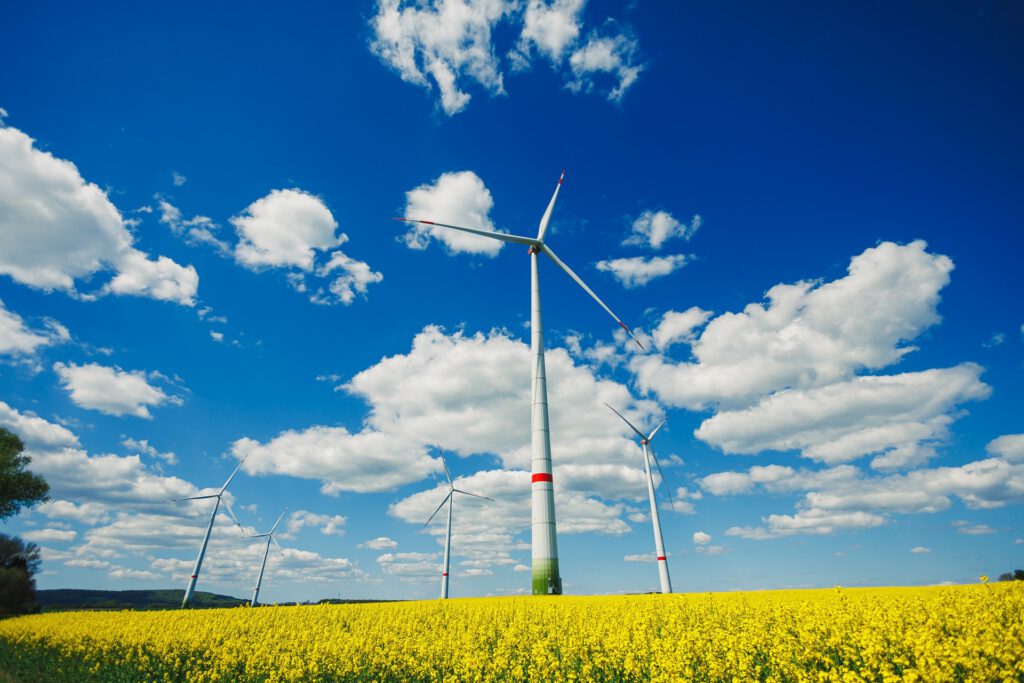
As efforts to reach carbon neutrality (Net Zero) widen worldwide, hydrogen, solar, and energy storage systems (ESS) have become the core fields of the future energy industry. Water electrolysis for green hydrogen production, perovskite-based next-generation solar cells, and long-duration energy storage all demand higher-performing PGM (platinum group metal) catalysts, heat-resistant materials, and electrode materials.
These technologies are maturing quickly, and material performance is becoming a decisive factor in system efficiency and economics. LT Metal is the materials partner for that transition, working with customers from technology development through volume production.
Applications
Precious metal materials across energy technologies
| Energy technology | Precious metals used | Function | LT Metal products |
|---|---|---|---|
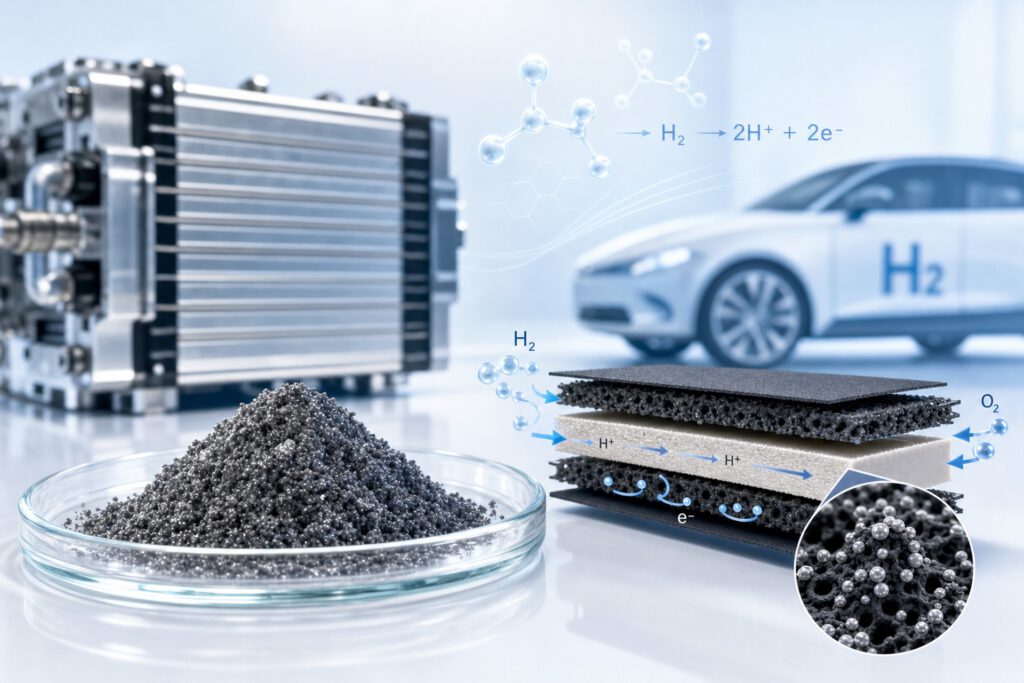
| PEMFC hydrogen fuel cells | Pt, Pt-Co, Pt-Ni | Oxygen reduction reaction (ORR) catalyst | Pt-based electrode materials |
| PEM water electrolysis (green hydrogen) | Ir, Ru (anode), Pt (cathode) | Oxygen evolution reaction (OER) catalyst | Ir/Ru oxide catalyst materials |
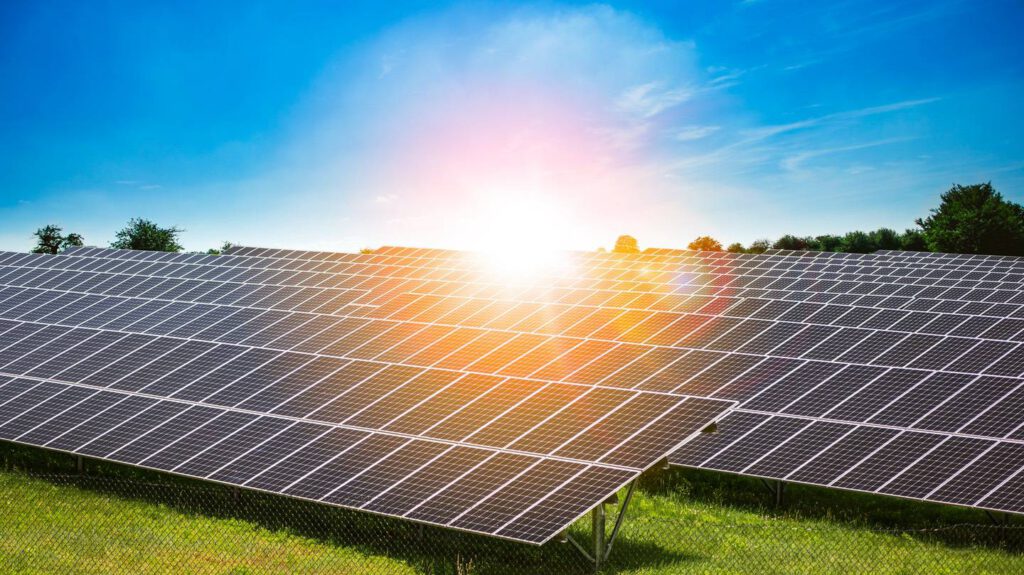
| Perovskite solar cells | Au, Ag (electrodes) | Charge collection electrodes | High-purity Au/Ag deposition materials |
| Crystalline silicon solar cells | Ag powder (fired type) | Front and rear electrode formation | Conductive Ag powder |
| High-temperature thermal energy storage | Pt-Rh thermocouples | Temperature measurement and precision control | Pt-Rh alloy wire and materials |
| Hydrogen leak detection sensors | Pd alloy thin films | Selective hydrogen permeation and detection | Pd alloy targets and wire |
Supply chain resilience
Circulating precious metals to reduce risk
Iridium (Ir), platinum (Pt), and ruthenium (Ru) — the core catalyst materials for green hydrogen — depend on mining resources concentrated in a few regions. As uncertainty in global supply chains grows, so does the importance of closed-loop supply: recovering and refining used materials so they can be put back to work. LT Metal’s precious metal recovery and refining capabilities let us collect your spent catalyst, refine it, and supply it back — a circular material solution.
Why LT Metal
Three engineering capabilities
Global customers choose LT Metal because our engineering capability in composition, structure, and reliability delivers the performance and quality they specify. That is our core strength.

We engineer composition.
We engineer catalyst compositions and electrode materials optimized for the reaction conditions of each energy technology — temperature, current density, and acidic or alkaline environment. We co-develop materials against your system efficiency targets.
We engineer structure.
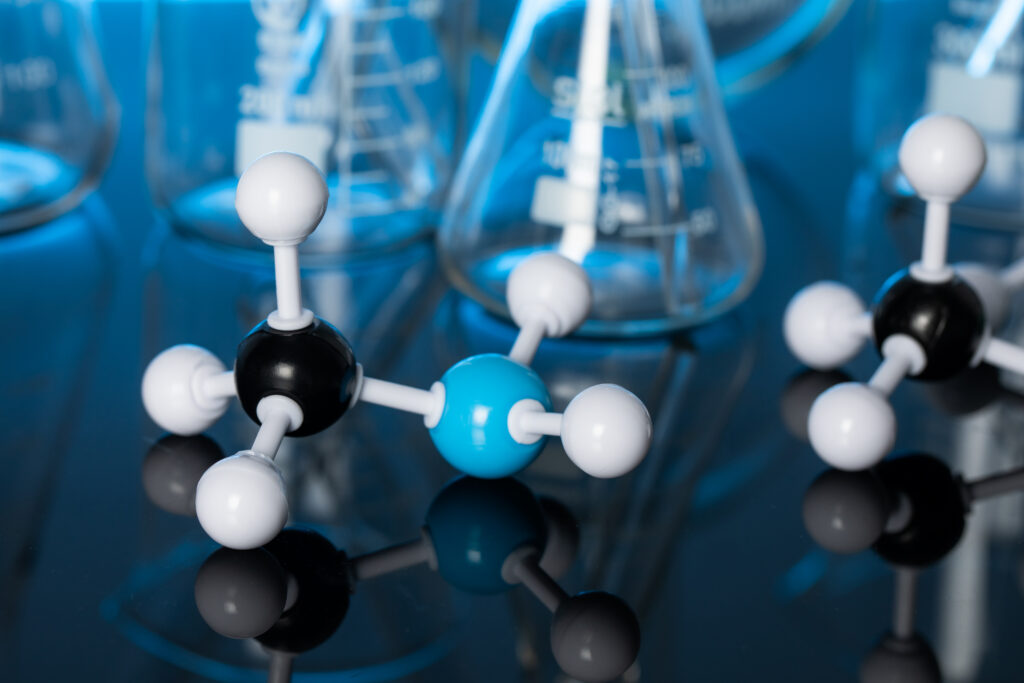
We precisely control the particle structure, support design, and electrochemically active surface area of Pt-, Ir-, and Ru-based catalyst materials. Closed-loop supply built on recovered material adds cost competitiveness.
We engineer reliability.
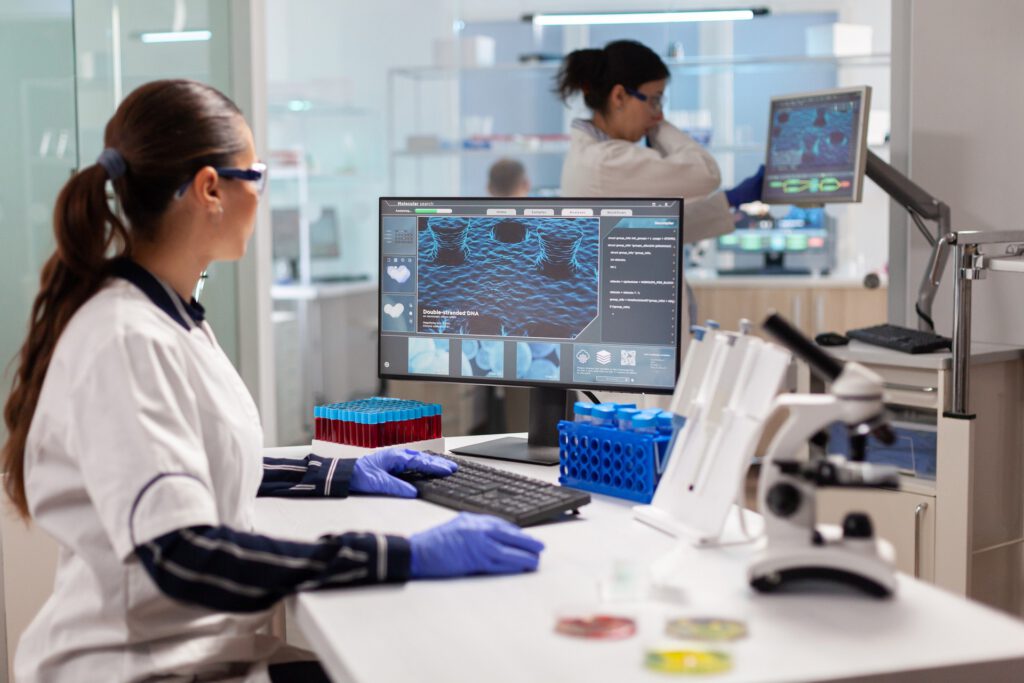
We operate quantitative evaluation systems for catalyst activity, durability, and selectivity. Lot-level composition certificates shorten your technology validation cycle.

Start with LT Metal.
We engineer essential materials for tomorrow.
Your next challenge is our next design.
The precious metal material you choose determines your product’s performance and reliability. LT Metal works alongside you across the entire journey — material selection, joint development, volume supply, and recovery after use. Because a single material can move your product one step forward, LT Metal is already engineering the century ahead.
- Technical consultation — material selection, specification review, process compatibility assessment
- Request a sample — small-lot prototyping and evaluation support
- Precious metal recovery — assessment of precious metal content and recovery from spent materials
- Partnership proposal — long-term supply agreements, joint development projects