Electrical contacts
The design of a single contact determines the life and reliability of the entire device.
LT Metal delivers more than material performance. We deliver quality you can rely on.
Contact materials are the heart of any component that mechanically switches an electrical circuit. Every time a switch opens or closes, the contact faces experience arcing, mechanical wear, and welding. They must maintain reliability over millions of switching cycles despite exposure to these conditions. A 1% difference in composition can change device life by years. LT Metal offers a complete contact material portfolio, developed in-house, covering the full load range: from low-current telecom relays to ultra-high-voltage circuit breakers above 100kV.
Material selection guide
Which material is right for your application?
The right contact material depends on current capacity, switching frequency, operating environment, and environmental regulations (RoHS/REACH). Our engineering team analyzes your design conditions and performance targets, recommends the optimal composition, and co-develops a custom alloy where needed.
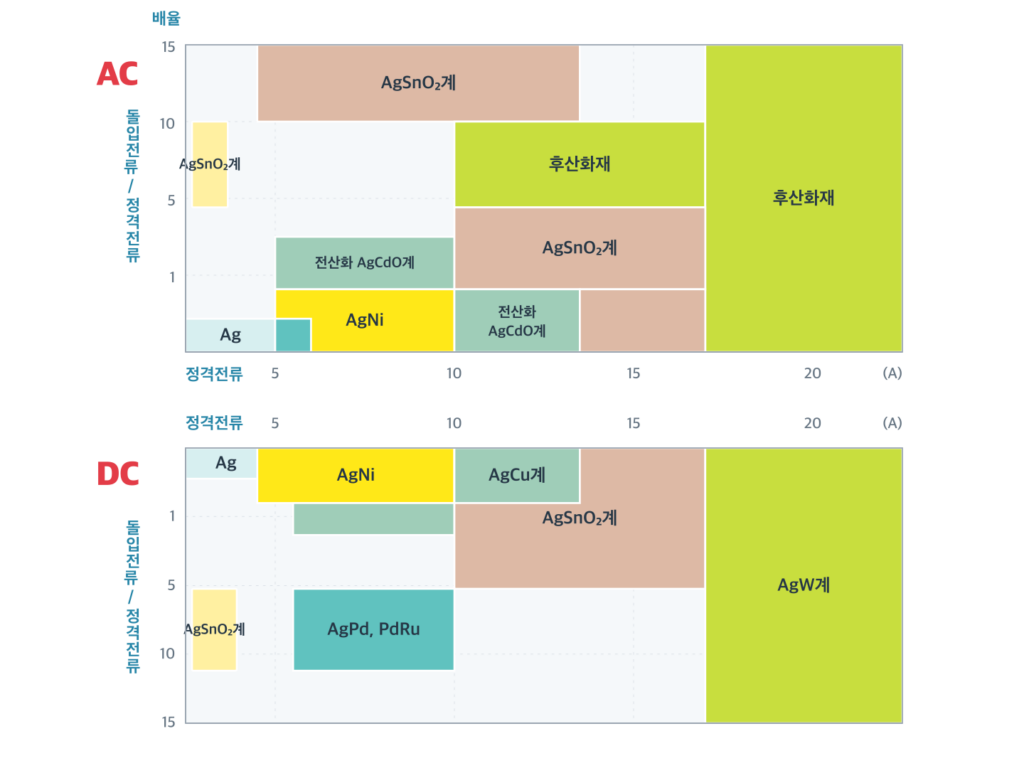
In service, contact behavior shifts with a combination of factors: material, surface condition, gap, current, contact pressure, operating cycles per unit time, ambient conditions, and the structure of the assembly.This makes contact material selection difficult. As a general rule, choose the material and dimensions at the design stage based on the application (load type), rated voltage, rated current, and inrush current.
| Application | Load | Recommended material |
|---|---|---|
| Automotive (DC) | Head Lamp | HFE-based, SJ-based |
| Flasher Lamp | HFE-based, Pd-based | |
| Resistive load | AgCu-based, HFE-based, SJ-based | |
| Motor load | HFE-based, SJ-based | |
| Magnet Clutch | HFE-based, SJ-based | |
| Household (AC) | Resistive load | Ag-based, AgCdO-based, AgNi-based, HFE-based, SJ-based |
| Motor load | AgCdO-based, HFE-based, SJ-based | |
| Lamp load | AgCdO-based, HFE-based, SJ-based |
Product lineup
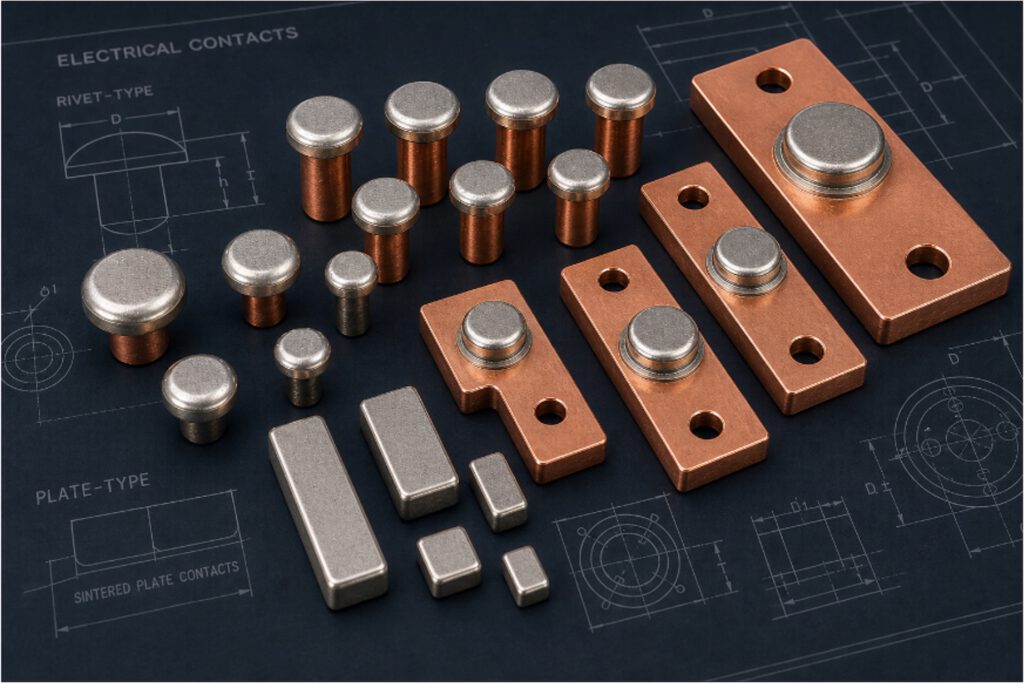
Rivet contacts
Optimized for low- and medium-current duty in contactors, relays, and compact switches. Supplied in Solid, Clad, Conical, and Double Clad constructions, with dimensions engineered to match your automatic riveting process.
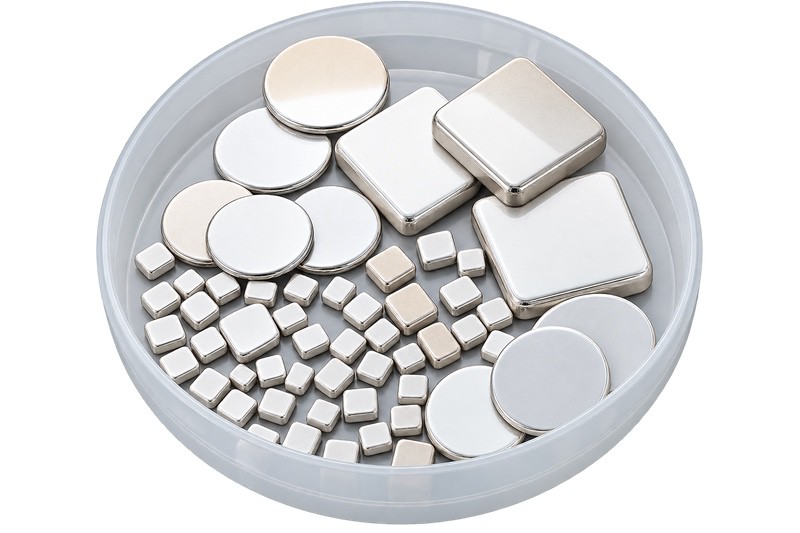
Sintered plate contacts
Built for high-current duty in molded case circuit breakers (MCCB) and large contactors. The Ag Clad brazed construction delivers high joint reliability across a range from 80A to 600A and above.
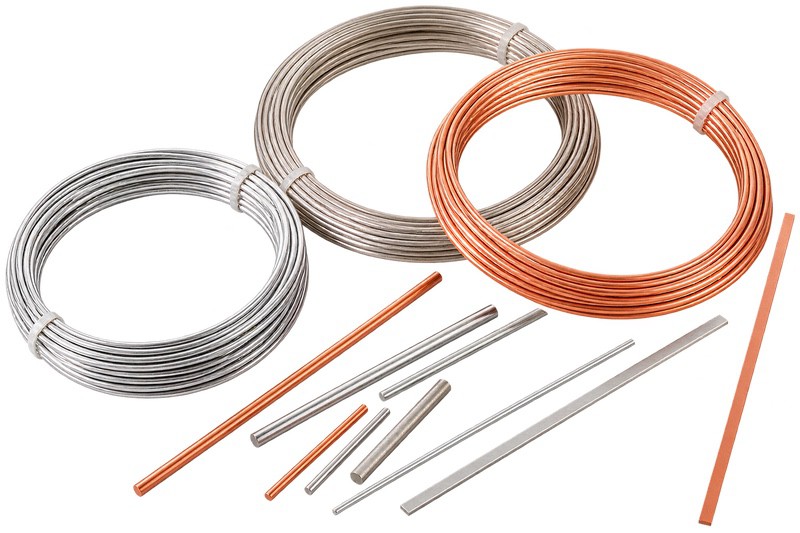
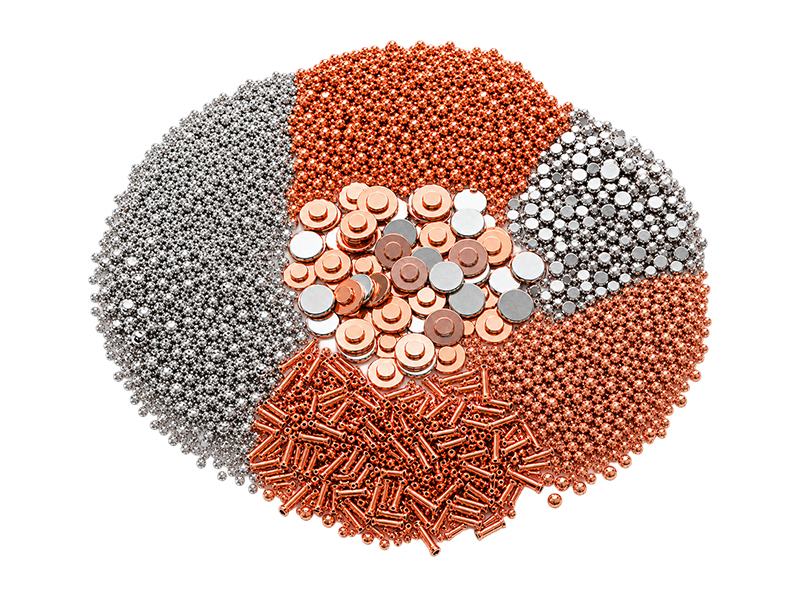
Contact materials
Wire-form material that lets customers rivet in-house to the contact specification they need. Uniform composition and consistent quality support the yield of your process.
Why LT Metal
Three engineering capabilities
Global customers choose LT Metal because our engineering capability in composition, structure, and reliability delivers the performance and quality they specify. That is our core strength.

We engineer composition.
Element ratios, particle structure, and sintered density in a contact material determine device life and reliability. LT Metal analyzes your current conditions, switching frequency, operating environment, and RoHS requirements together, then engineers the alloy composition that performs best in that environment.

We engineer structure.
We engineer sintered density, particle distribution, and clad layer structure around your process conditions. Our portfolio spans the full load range, from low-current precision relays to ultra-high-voltage circuit breakers.

We engineer reliability.
We operate a reliability verification system that simulates real operating conditions: switching endurance testing over millions of cycles, contact resistance measurement, and evaluation of welding and erosion rate.